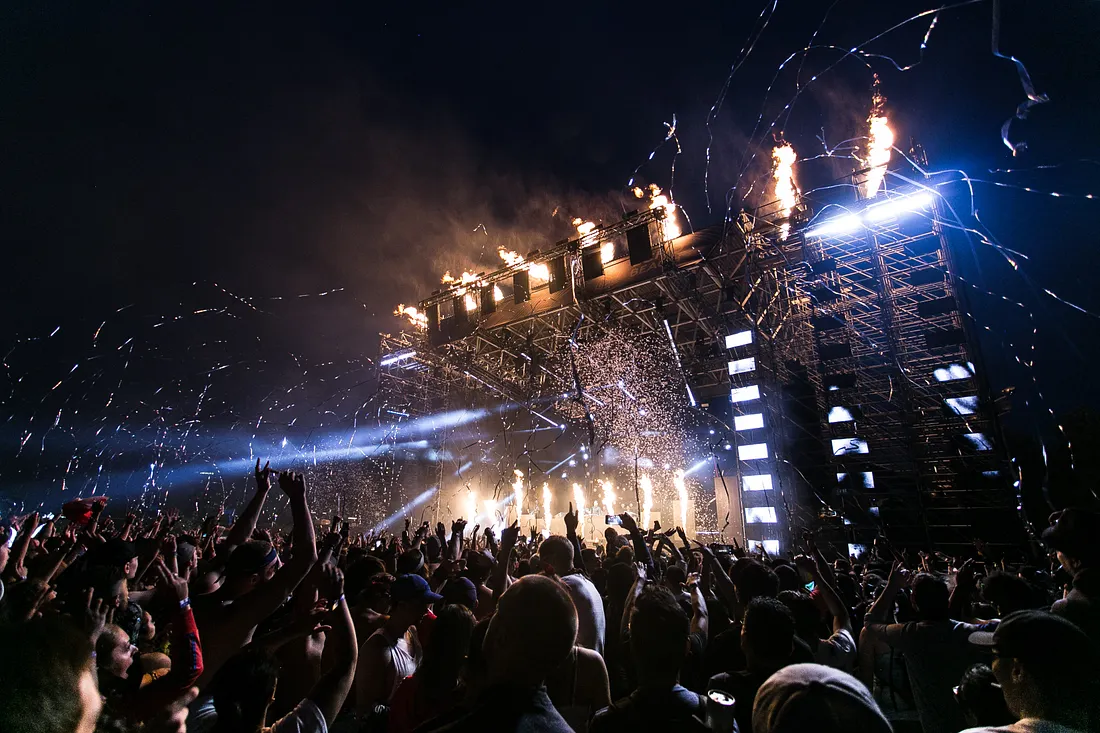
Photo by Wendy Wei: https://www.pexels.com/photo/people-having-a-concert-1190297/
Eurovision started on Thursday, May 24, 1956, with the contest growing and getting better year by year. This is to the point where, in 2022, NBC hosted the first American version of the show, which showcases a new branching out of the Eurovision format. The show reached mainstream popularity after Waterloo by Abba hit the contest in 1974 and made the show more popular in the mainstream. Within the 2000s, however, the show was seen as being cheesy, even though it still had the same amount of turnout.
Within 2009, the songs Fairytale Alexander and later Euphoria by Loreen were able to propel the completion back into being more respected. After Loreen’s win, there was a trend of the winners being more outstanding and less silliness before that. Maneskin in 2021 was a group that had been propelled into mainstream popularity due to the contest, and it showed how much power the contest could have on underrated artists to hit the mainstream. 2012 was when I discovered Eurovision and started my slow journey toward becoming a fan.
Eurovision this year is happening in Liverpool, with many people in the UK excited to finally see the contest within the country. With Eurovision being around for so long, many people have grown up and come to enjoy the show. Especially fans who have seen it grow over time. Eurovision has been able to recently grow a large LGBTQ+ audience through the acceptance of contestants within the community, and within the ongoing attacks against the community worldwide, shows and events like Eurovision have become a safe space and escapism for the community.
My personal experience with the competition was that I watched it when I was 12 and heard the iconic Euphoria performance. I remember being captivated by the many winners from then on, especially with Only Teardrops and Rise Like A Phoenix. Heros was the performance that blew me away with the creative use of SFX and with the amazing song itself. I recently started taking more interest in the events leading up to the main event, such as the pre-parties, song promotions, and interviews.
There is a whole world that creates hype leading up to the main event, which can keep fans engaged through the entire process. There are many smaller competitions called National Selections that some countries hold to pick an artist to represent their country. This brings a closer relationship between the winning artist and the fans within those countries since they feel more invested in the contestant they voted for. Some national selections, like Melodifestivalian, can rival Eurovision in their popularity and scope.
Many people dream of going to see Eurovision live, as seen on television. I recently had the experience of buying tickets for the show, and this really showed the extent of how popular the show has gotten, with the final selling out in 40 minutes. This extends to artists as well, with artists like Maneskin and Loreen becoming more and more popular after their Eurovision wins. Maneskin, for example, blew up in popularity after winning the show, with their songs trending on TikTok and worldwide.
Watching the show live really showed me how much of an impact it had on many people, especially with how open people were to talk about their passion for the contest. Many of the people there had been fans from 2021 onward. This shows how far the show has come since 2012. The show has been able to gain international fame, with contestants and fans coming from across Europe and even the globe to just see it live. With so many different styles of music, it’s no surprise that so many people across the globe feel drawn in by the cultures represented.
With how the political climate is across the world, Eurovision is an escapism and a rest for people sick of the waving toxic environment within Europe. It gives each country a chance to shine equally and show its culture, which would be overshadowed outside of the Eurovision environment. This doesn’t mean that Eurovision doesn’t have a political edge, with some countries using songs to talk about local issues and political issues related to their country. Examples of this in this year’s competition are Edgar Allen Poe and The Sisters Crown.
The contest is a way for the winning country to not only build upon its tourism but also give a boost to the local artists and the music scene within that country. This can definitely benefit smaller countries and towns. With the cost of living crisis hitting many countries and some still recovering from the pandemic, it would be very helpful if Eurovision brought money and tourism to those towns and countries. Even with countries that hadn’t won, many countries apart from the winning ones have seen the benefit of countries like Cyprus and San Marino. With the war in Ukraine, Eurovision was a very big benefit in bringing attention to the conflict.
Comments
Post a Comment