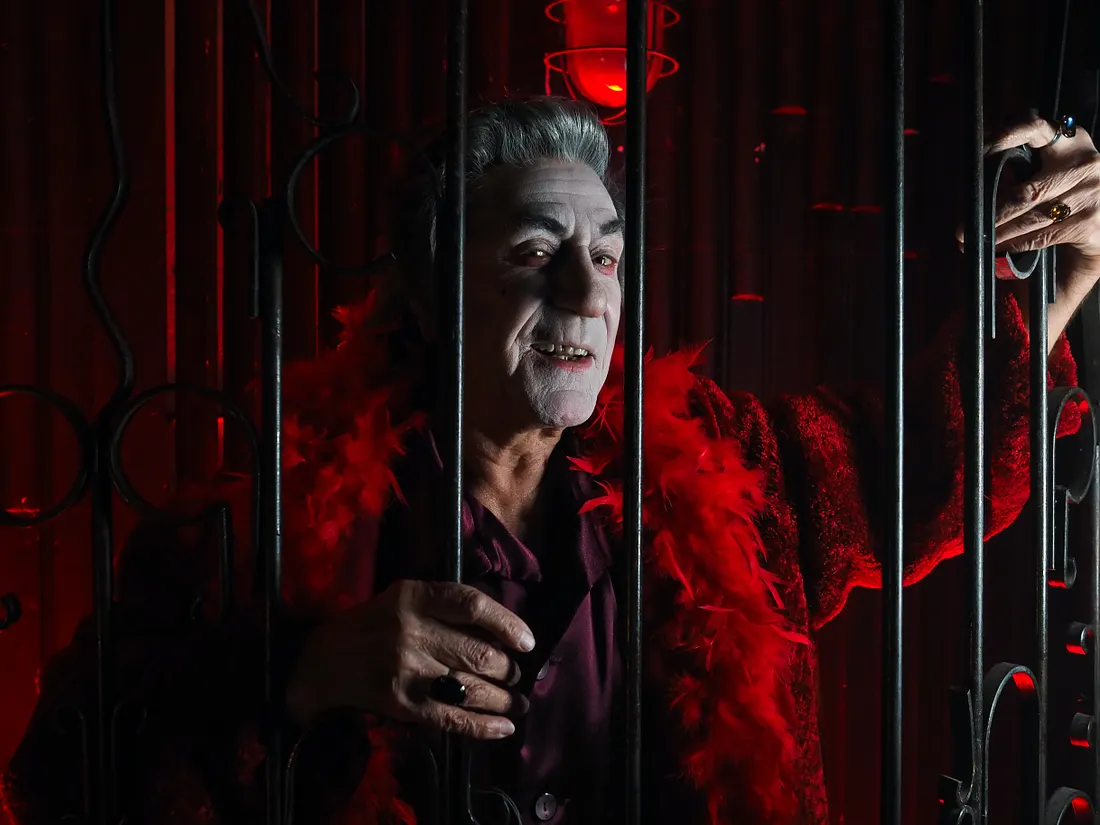
Photo by Nadin Sh: https://www.pexels.com/photo/man-in-a-halloween-costume-10298130/
Twist villains can make or break a film and with the proper writing can make for an interesting twist. For a story, done badly can ruin a movie since a twist villains can extend to other parts of the story and in some cases can change the course of the entire story. This article will be going over how to effectively build a twisted villain and how to deal with the ramifications of what this character causes. By the end, you will know how to write a twist villain that is both effective and dramatic.
Emilie Harper on Quora mentions that “It’s a villain that you’re not supposed to suspect as the villain until they reveal themselves as the said villain”. The description states a twist villain hides in the shadows as either a minor character that lurks in the background or as an ally. A prominent example of this trope is seen in Frozen where Hans is portrayed as the love interest and is later shown to be the villain. This is an example of an ally to villain being used with Frozen playing on the stereotypes of a prince to make the audience not suspect him.
This trope has been used many times within many genres. Even companies like Disney have had a phase of using this trope over and over again from Zootopia to Frozen. It is more important than ever to make sure that your twist villain has something that stands apart from what has been done. This trope is being rehashed so much it is no surprise that many audiences have gotten sick of it however this does not mean that it can still be used in a unique way. For example, twist villains can work very well in specific genres like horror or within a drama.
Before starting to write a twist villain you need to understand your protagonist because like any villain they will have to prey on the protagonist's weaknesses and use those to camouflage and maybe gain favor among the main characters. Maybe your protagonist is selfish? In this case, the villain plays into this by offering promises to what the protagonist wants. Another way of doing this is by basing the villain's strengths on the protagonist's weaknesses making the villain more intriguing to the protagonist.
As Hashtag Writing states “Whoever your villain is, remember that they’re doing things off-camera.” The key way to make the villain feel threatening is to have stuff happen behind the scenes which can majorly affect the characters. Maybe you could have a minion that is seen as a red herring. Behind the shadows can be the most effective way to make a villain seems more threatening not only to the audience but to the characters as well especially if there is a mystery to the things happening in the shadows. Not only are there obstacles for the characters set up by the villain but there is also a mystery element as well.
As mentioned previously, there are two different types of twist villains: one is based on mystery and in the background, and the other option is with the villain who is hiding as an ally. Starting with the first option it is good to drop smaller hints throughout the story but make sure to divert the mystery to another character. This will make sure that the reveal is less obvious and more of a surprise. With the second option, it is important to give your villain and protagonist time to build trust and it is easier to play this based on the reflective method.
Bringing too much to the surface too early can lead to the audience peacing together information too early which could spoil the twist villain and the impact that it may hold. It's important to drop smaller hints throughout the story that is not too revealing but can also either divert attention from the twist villain or slowly point to who the twist villain is. Using hints can be a great way to divert attention from the twist villain and this can add to the questioning by drawing the character's suspicion away from the twist villain or by having the twist villain do something that would pull away from them taking on that identity.
Following on from the previous paragraph you need to make sure that you aren't too obvious in not just how your twist villain interacts with the characters but also with the type of hints you drop. This is especially true if you want to keep your villain's identity a complete secret. CBR states when talking about Wall-E “This characterization, combined with the technology-is-evil trope and AUTO’s unblinking red eye immediately made it the obvious main antagonist from the moment it appeared on the screen.” This is a big example of how even small visual hints can bring an audience notice who the villain is. Try to avoid the usual twist villain tropes to best avoid this issue.
It's important that the twist villain is introduced as early as possible if shown to be an ally since it gives time for not only the characters to get comfortable with this character in acts 1 and 2 it also makes the audience know more about the pre- twist villain. Having the relationship between the twist villain and the characters start in act 1 means that it can make the twist have a stronger impact since the characters have been able to grow a relationship with the villain over a longer time. Slower is better in this case since it can make the twist more impactful for the characters and the audience.
In conclusion, crafting a twist villain takes both time and a detailed understanding of both your characters and your world. Take the time to research your characters so that the twist villain can play into this. The great thing about a twist villain is that there are many different types of them. Having a twist villain can make your story feel not only intense but it can add extra tension. A twisted villain can be a very welcomed addition to a story if done well. Since this trope has been used a lot within media it is now important to try and take a unique take on this trope.
Comments
Post a Comment